
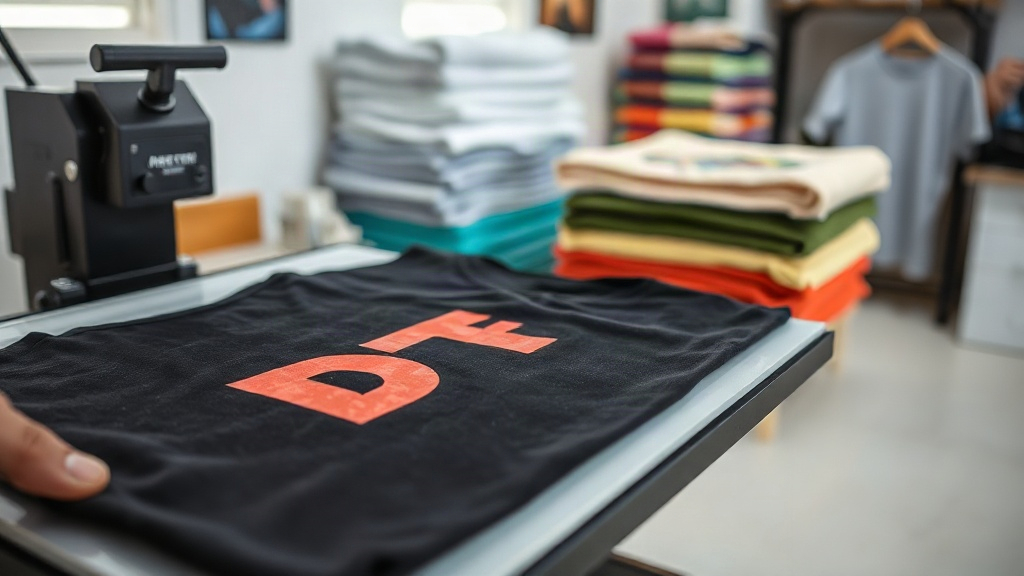
When you're creating custom apparel, the printing method you choose can make or break your project. In 2025, DTF transfers have emerged as a game-changer, offering vibrant colors and versatility that traditional methods sometimes struggle to match. But how do they stack up against screen printing and direct-to-garment (DTG) printing? If you're working with popular blank brands like Shaka Wear or Smart Blanks, understanding these differences is key to getting professional results. This guide breaks down the pros and cons of each technique, helping you decide which is best for your next order.
What Are DTF Transfers?
DTF stands for Direct-to-Film. It's a printing process where your design is printed onto a special film, coated with adhesive powder, and then heat-pressed onto the fabric. Unlike DTG, which prints directly onto the garment, DTF transfers can be applied to a wide range of materials, including cotton, polyester, and blends. This flexibility makes them a favorite for custom t-shirts, hoodies, and even tote bags.
One of the biggest advantages of DTF transfers is their ability to produce fine details and gradients without the color limitations of screen printing. Plus, they don't require pre-treatment, which saves time and equipment costs. For small businesses or individuals doing short runs, DTF is often more cost-effective than setting up screens.
Screen Printing: The Traditional Heavyweight
Screen printing has been the industry standard for decades. It involves creating a stencil (screen) for each color in your design and pushing ink through it onto the fabric. This method is known for its durability and vibrant colors, especially on light-colored garments. However, it has drawbacks: setup costs are high, and it's not economical for small batches. Also, screen printing works best on flat surfaces, so seams and zippers can be problematic.
If you're printing a large order of simple designs with few colors, screen printing can be very cost-effective. But for complex, multi-color designs or photo-realistic images, it falls short. That's where DTF transfers shine.
DTG Printing: Direct and Simple
DTG printing works like a desktop printer for garments. It uses water-based inks to print directly onto the fabric, often after a pre-treatment solution is applied. DTG excels at printing detailed, full-color images on 100% cotton shirts. However, it struggles with polyester and dark colors, where the ink may not adhere well or appear faded.
DTG is great for small, on-demand orders, but the pre-treatment step adds time and can affect the feel of the print. In contrast, DTF transfers don't require pre-treatment and work on both cotton and polyester, making them more versatile.
Comparing DTF Transfers to Traditional Methods
Let's break down the key factors:
- Cost: For small runs, DTF is cheaper than screen printing due to no setup fees. For large runs of simple designs, screen printing wins. DTG is affordable for one-offs but can get pricey for bulk.
- Durability: Screen printing is the most durable, often outlasting the garment. DTF transfers are also durable, with proper washing they can last 50+ washes. DTG prints may fade faster, especially on dark colors.
- Color Vibrancy: DTF and screen printing both offer vibrant colors. DTG can be less vibrant on dark fabrics unless a white underbase is used.
- Material Compatibility: DTF works on almost any fabric, including blends. Screen printing adheres best to cotton. DTG is mainly for cotton.
- Detail and Complexity: DTF handles fine details and gradients beautifully. Screen printing requires a screen per color, so complex designs get expensive. DTG can handle details but may struggle with very fine lines.
For many businesses, DTF transfers offer the best balance of quality, versatility, and cost, especially for small to medium orders with intricate designs.
Choosing the Right Blanks: Shaka Wear and Smart Blanks
The garment you print on matters as much as the printing method. Two brands that have gained popularity among printers are Shaka Wear and Smart Blanks. Both offer high-quality blanks that take prints well.
Shaka Wear is known for its heavyweight cotton tees and hoodies, popular in streetwear. Their garments have a tight knit that provides a smooth surface for DTF transfers, resulting in crisp, vibrant prints. The durability of Shaka Wear blanks means your printed design will last.
Smart Blanks focuses on affordable, soft, and consistent blanks. They're a great choice for budget-conscious projects without sacrificing quality. Their poly-cotton blends work exceptionally well with DTF, as the adhesive bonds strongly to synthetic fibers.
When using DTF transfers on these blanks, always check the fabric composition. For 100% cotton, lower pressing temperatures (around 300°F) are fine. For blends, you might need slightly higher heat and pressure to ensure adhesion.
Step-by-Step: Applying DTF Transfers to Shaka Wear and Smart Blanks
Here's a quick guide to getting professional results:
- Preheat the garment: This removes moisture and wrinkles. Press for 5-10 seconds at 300-320°F.
- Position the transfer: Place the DTF film with the design facing up on the garment.
- Press: Apply medium-heavy pressure for 15-20 seconds at 300-320°F. For blends, increase to 330°F.
- Peel: Wait for the transfer to cool completely (cold peel) for a matte finish, or peel hot for a glossy look. Cold peel is generally recommended for DTF.
- Post-press: Cover with parchment paper and press again for 5-10 seconds to ensure the adhesive fully sets.
Following these steps will give you a durable, vibrant print on Shaka Wear or Smart Blanks garments.
Common Challenges and How to Overcome Them
Even with the best methods, issues can arise. Here are some common problems with DTF transfers and their solutions:
- Transfer not adhering: Usually due to insufficient pressure or temperature. Increase both and ensure the garment is preheated.
- Cracking or fading: Often caused by under-pressing or washing with harsh chemicals. Use a post-press and wash inside out in cold water.
- Color bleeding: Can happen if the transfer is overheated. Stick to the recommended temperature range.
- Film peeling off after wash: This indicates the adhesive didn't fully melt. Try a longer press time or higher pressure.
With practice, you'll master the nuances and achieve consistent results.
Frequently Asked Questions
Can I use DTF transfers on 100% polyester Shaka Wear hoodies?
Yes, DTF transfers work well on polyester. However, you'll need to adjust your heat press settings: use a temperature around 330°F and press for 20-25 seconds. Polyester is heat-sensitive, so preheat the garment lightly and use a lower pressure to avoid scorching. Always test on a scrap piece first.
How do DTF transfers compare in cost to screen printing for a 50-piece order of Smart Blanks tees?
For 50 pieces with a multi-color design, DTF is often more cost-effective because there are no screen setup fees. Screen printing would require a screen per color, which adds up quickly. However, if your design is one color, screen printing might be cheaper per unit. Calculate both options based on your design complexity.
What's the best way to wash a DTF-printed Shaka Wear t-shirt to make it last?
Turn the shirt inside out and wash in cold water with mild detergent. Avoid fabric softeners and bleach. Tumble dry on low or hang dry. Following these steps will help the print last for 50+ washes without fading or cracking.
Do I need special equipment to apply DTF transfers at home?
You need a heat press, not just an iron. A heat press provides consistent temperature and pressure, which are crucial for DTF. Irons don't apply even pressure, leading to poor adhesion. A basic 15x15 heat press is sufficient for most garments, including those from Smart Blanks and Shaka Wear.
Can I layer DTF transfers on dark garments from Smart Blanks?
Absolutely. DTF transfers include a white ink base, so they show up vividly on dark fabrics. You can even layer multiple transfers for a 3D effect, but ensure each layer is pressed properly before adding the next. Use a cover sheet to protect the design during layering.
Final Thoughts
Choosing between DTF transfers, screen printing, and DTG depends on your specific needs: order size, design complexity, fabric type, and budget. In 2025, DTF offers unmatched versatility and quality for small to medium runs, especially when paired with reliable blanks like Shaka Wear and Smart Blanks. By understanding the strengths of each method and following best practices, you can produce custom apparel that stands out. Whether you're a hobbyist or a growing business, mastering DTF transfers will give you a competitive edge in the vibrant world of custom printing.