
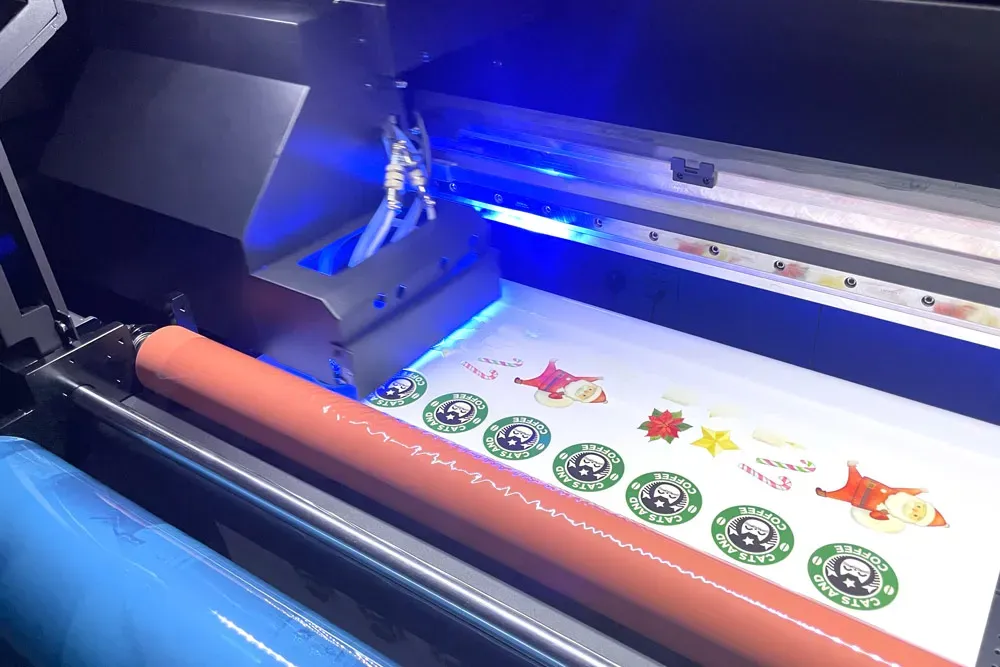
UV DTF Printing is revolutionizing the landscape of custom printing solutions, providing businesses with an innovative method to create stunning designs on various substrates. This advanced UV printing technology utilizes ultraviolet-curable inks that harden upon exposure to UV light, resulting in vibrant, durable prints that stand the test of time. As sustainability becomes increasingly important, UV DTF printing stands out as an environmentally-friendly option, minimizing volatile organic compounds (VOCs) in comparison to traditional printing methods. The versatility of direct to film printing allows for endless possibilities, from apparel to promotional products, catering to diverse industries and customer demands. In this guide, we will delve into the remarkable world of digital printing trends, focusing on the advantages and applications of UV DTF printing and why it should be on every business's radar.
Direct to Film (DTF) printing, particularly with the ultraviolet (UV) curing process, represents a groundbreaking shift in the printing industry. This method allows for exceptional image transfer from a film to various surfaces, leading to high-quality outputs that meet the demands of modern customization. By harnessing UV ink technology, businesses can produce vivid and durable prints while also promoting sustainable practices in their operations. As the market for digital printing continues to evolve, embracing techniques like UV DTF will enable companies to keep pace with consumer trends and preferences for personalized products. In summary, understanding and implementing these innovative printing solutions is crucial for businesses aiming to thrive in a competitive marketplace.
Understanding the Fundamentals of UV DTF Printing
UV DTF printing, shorthand for ultraviolet direct to film printing, represents a pivotal advancement in digital printing technology. This method employs UV-curable inks to print vibrant images on a specialized film. As the printed film passes through a UV light source, the inks swiftly solidify, resulting in high-quality prints that are both stunning and resilient. This allows businesses to deploy this technology across various sectors, integrating unique designs and branding elements into their products with remarkable precision.
One of the remarkable features of UV DTF printing is its adaptability to numerous substrates. Whether it's fabric, ceramics, or rigid surfaces like wood and metal, this printing method can accommodate a wide variety of applications. This flexibility opens new avenues for creative expression, especially in industries such as fashion, where customization and personalization are key attractions for consumers.
The Technology Behind UV DTF Printing
At the core of UV DTF printing lies the technology that facilitates the curing process of inks. Unlike traditional printing methods that can take time to dry, the UV inks used in this technique cure almost instantaneously under ultraviolet light. This rapid curing not only enhances productivity but also ensures that the colors produced are vibrant and long-lasting, resistant to scratches and fading, which is essential for maintaining print quality over time.
Moreover, the machinery involved in UV DTF printing has evolved significantly, boasting advanced features that improve the overall efficiency of the printing process. From faster print speeds to automated systems, these innovations ensure that businesses can deliver high-quality prints with reduced labor costs and time, making it a competitive option for custom printing solutions.
Exploring Applications of UV DTF Printing
The applications of UV DTF printing are as diverse as the materials it can print on. This technique is widely used in creating promotional merchandise such as custom signage, decals, and apparel. Businesses can leverage UV DTF technology to produce eye-catching designs that effectively communicate their brand message and stand out in crowded marketplaces.
Furthermore, as consumer demand for uniqueness and personalization grows, UV DTF printing becomes increasingly relevant. Companies can cater to niche markets by offering tailor-made products that reflect individual customer preferences, solidifying their market position by enhancing customer satisfaction and loyalty in the long run.
Advantages of UV DTF Printing Technology
Among the many advantages of UV DTF printing is its remarkable durability, making it an ideal choice for outdoor applications where prints are often exposed to harsh weather conditions. The resilience of UV-cured inks ensures that colors remain vibrant and intact over time, mitigating the need for frequent reprints and enhancing the cost-effectiveness of this process.
Additionally, UV DTF printing aligns well with modern sustainability goals. As it uses UV-curable inks that typically contain lower levels of volatile organic compounds (VOCs), this technique supports environmentally friendly practices, appealing to businesses that prioritize sustainable printing solutions. This trend towards eco-consciousness in the marketplace not only meets consumer expectations but also opens doors to new partnerships and opportunities.
Current Trends Shaping UV DTF Printing
The landscape of UV DTF printing is currently being shaped by various trends aimed at improving functionality and output quality. With increasing competition in custom printing markets, businesses are adopting UV DTF technology to stay relevant and meet consumer demands for quicker turnaround times and personalized products. These trends bolster the capability of businesses to offer innovative solutions that cater to a dynamic market.
Additionally, the advancement of technology in the UV DTF printing sphere is propelling innovations such as improved ink formulations and enhanced curing processes. As manufacturers seek to refine their printing technologies, we can expect even greater shifts in how UV DTF printing functions, leading to potentially revolutionary applications that extend beyond traditional uses.
Overcoming Challenges in UV DTF Printing
Though UV DTF printing offers numerous advantages, it also comes with its set of challenges. One significant hurdle is the initial investment required for setting up the printing systems. High-quality printers and UV inks can require substantial financial outlay, which may deter smaller enterprises or startups from adopting this promising technology.
Moreover, the technical expertise necessary to ensure smooth operation adds another layer of complexity. The intricate processes of printing and curing demand staff training or hiring skilled technicians, which can further escalate costs and operational challenges. Addressing these issues is essential for businesses eager to leverage UV DTF printing in their offerings.
Frequently Asked Questions
What is UV DTF printing and how does it work?
UV DTF printing, or Direct to Film printing using UV inks, involves printing images on a specialized film that is then cured with ultraviolet light. This process creates durable, vibrant prints that can be heat transferred onto various substrates, including textiles and plastics, making it a versatile choice for custom printing solutions.
What are the advantages of using UV printing technology like UV DTF printing?
UV DTF printing offers several advantages, including exceptional durability, resistance to fading and scratching, and a more sustainable printing method due to lower volatile organic compounds (VOCs) in UV inks. These features make it an appealing choice for businesses looking for long-lasting and eco-friendly custom printing solutions.
How is UV DTF printing different from traditional digital printing methods?
Unlike traditional digital printing, which may rely on solvent-based inks, UV DTF printing uses ultraviolet curable inks that dry instantly when exposed to UV light. This results in high-quality, instantly usable prints that are durable and suitable for a wide variety of materials, making UV printing technology stand out in the digital printing trends of today.
What types of materials can be printed on using UV DTF printing?
UV DTF printing can be applied to a diverse range of substrates. From textiles like cotton and polyester to rigid materials such as wood, metal, and plastic, this technology’s versatility allows for creative custom printing solutions across multiple industries.
Is UV DTF printing a sustainable printing option?
Yes, UV DTF printing is considered a sustainable printing option as it utilizes UV-curable inks that typically have lower VOC emissions compared to traditional inks, reducing the environmental impact. This aligns with the increasing demand for eco-friendly printing solutions in various sectors.
What should businesses consider before investing in UV DTF printing technology?
Before investing in UV DTF printing technology, businesses should consider the initial setup costs, including the price of specialized printers and UV inks, as well as the need for technical expertise to operate the equipment efficiently. Understanding these factors can help ensure a successful integration of UV printing technology into their operations.
| Key Point | Description |
|---|---|
| What is UV DTF Printing? | A modern printing technique using UV curable inks on special film, allowing for high-quality designs that are transferable to various surfaces. |
| Technology Behind UV DTF | Utilizes UV ink that cures quickly under UV light, ensures vibrant prints, and involves a heat transfer stage to bond designs to substrates. |
| Applications | Used across various sectors, including custom apparel and signage, showcasing versatility with multiple substrates. |
| Advantages | Durability, environmentally friendly inks, and cost-effectiveness make UV DTF printing attractive for businesses. |
| Current Trends | Market growth for UV DTF technology and continuous innovations improving curing times and print quality. |
| Challenges | High initial costs and the need for technical expertise can be barriers for some businesses starting with UV DTF printing. |
Summary
UV DTF printing is transforming the landscape of modern printing with its innovative approach to creating high-quality, durable prints on diverse surfaces. As businesses increasingly seek efficient, customizable solutions, UV DTF technology stands out for its vibrant results and eco-friendly practices. This printing method not only meets the growing consumer demand for personalization but also aligns with sustainability goals, making it relevant across various industries. As advancements in UV DTF technology continue to evolve, we can anticipate even greater opportunities and enhancements in the printing sphere. For businesses aiming to remain competitive and innovative, embracing UV DTF printing represents a strategic move toward enhancing product offerings and satisfying evolving customer preferences.