
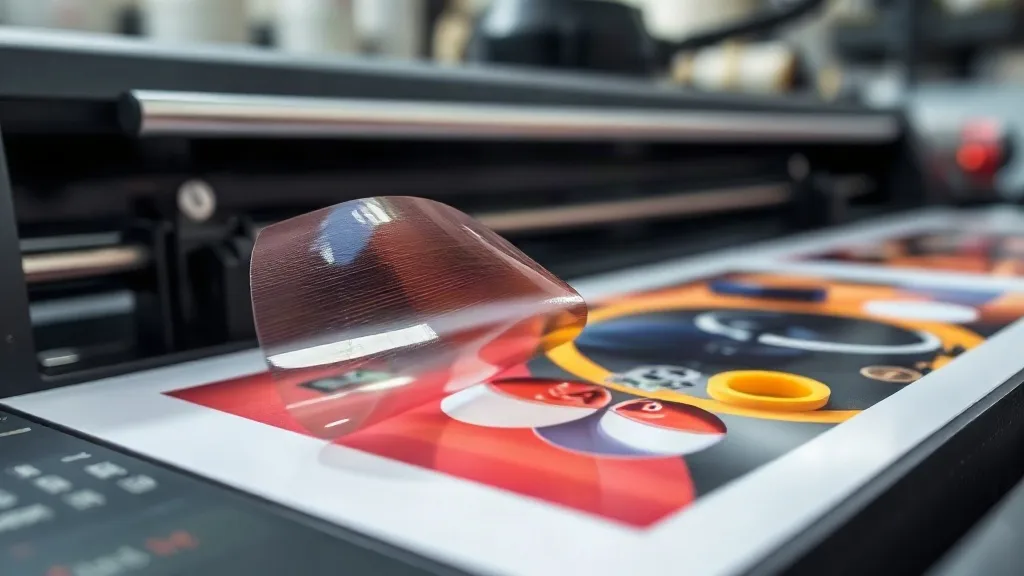
When you think about DTF transfers, your mind probably jumps to ink, powder, or the heat press. But the film you print on is just as critical. It's the canvas that holds your design, carries the powder, and ultimately determines how crisp and durable your final print will be. Choose the wrong film, and you'll battle smudged details, poor adhesion, or prints that crack after a few washes. Choose the right one, and your shop runs smoother, waste drops, and customers come back for more.
In this guide, we'll break down everything you need to know about DTF film: the different types, what to look for, how to store it, and how to avoid common pitfalls. Whether you're new to dtf or looking to refine your process, these insights will help you get consistently great results.
Why Film Matters More Than You Think
Film is more than a carrier. It's a multilayer product engineered to do several jobs at once: receive ink without bleeding, hold powder evenly, release cleanly during pressing, and leave behind a soft, flexible print. The quality of the film affects every step of the process.
Cheap film often has inconsistent coating, which leads to ink pooling or uneven powder adhesion. That translates to wasted supplies, reprints, and frustrated operators. On the other hand, a high-quality film with a uniform coating ensures that each drop of ink lands exactly where it should, and the powder sticks only where there's ink. The result is a sharp, vibrant transfer that presses easily and lasts.
If you're sourcing dtf transfers near me, pay attention to the film used by your supplier. It's a key indicator of the final product's quality.
Types of DTF Film
Not all film is created equal. Here's a rundown of the most common types and their characteristics.
Cold Peel vs. Hot Peel
Cold peel film requires the transfer to cool completely before peeling. This slower process often yields a slightly smoother finish and is forgiving for beginners. Hot peel film, as the name suggests, allows you to peel the carrier sheet while it's still hot. This speeds up production and reduces the chance of the print lifting during peeling. Hot peel films have improved significantly in recent years, offering excellent detail and durability. Your choice depends on your workflow and volume: high-volume shops often prefer hot peel for speed, while those doing intricate designs might lean toward cold peel for control.
Thickness: Thin vs. Thick
Film thickness is measured in microns. Thinner films (around 75-100 microns) are more flexible and conform better to textured fabrics, making them ideal for stretchy materials or detailed designs. Thicker films (100-125 microns) are more rigid and can be easier to handle, especially in larger formats, but they may feel stiffer on the garment. For most apparel, a medium-thickness film (around 100 microns) offers a good balance.
Matte vs. Glossy Finish
The film's surface can affect the final look. Matte films tend to produce a softer, more fabric-like feel, while glossy films can yield a slightly shinier finish. Some films are designed to be matte on the printed side to reduce glare and improve powder adhesion. Consider the desired end-use: matte is often preferred for a no-plastic look, while glossy might be chosen for vibrant, high-contrast designs.
What to Look for in a Quality DTF Film
When evaluating film, keep these factors in mind:
- Uniform coating: The release layer and ink-receptive coating should be consistent across the sheet. Any streaks or thin spots will cause ink to spread or powder to stick where it shouldn't.
- Stability: The film should lie flat and not curl at the edges. Curling can cause jams in the printer or uneven powder application.
- Compatibility: Ensure the film is compatible with your printer and inks. Some films are optimized for specific ink types (e.g., pigment vs. dye).
- Release properties: The film should release cleanly from the transfer after pressing, without tearing or leaving residue.
- Durability: The film should withstand the heat of the press and the mechanical stress of washing without cracking or delaminating.
Reputable suppliers provide technical data sheets with specifications. Don't hesitate to ask for samples and run your own tests.
How to Store DTF Film Properly
Film is sensitive to environmental conditions. Improper storage can ruin even the best product. Follow these guidelines:
- Keep it dry: Humidity is the enemy. Moisture can cause the coating to degrade or the film to stick together. Store film in a cool, dry place, ideally in a sealed container with desiccant packs.
- Avoid direct sunlight: UV light can damage the coating and affect ink reception. Keep film in its original packaging or a dark cabinet.
- Lay flat: Store film flat to prevent curling. If you must stand it upright, ensure it's supported to avoid bending.
- Mind the temperature: Extreme heat or cold can warp the film. Room temperature is best.
- Use within recommended timeframe: Most films have a shelf life of 6-12 months. Rotate stock and use older film first.
Proper storage not only preserves film quality but also reduces waste and saves money.
Troubleshooting Common Film-Related Issues
Even with good film, problems can arise. Here's how to diagnose and fix issues that trace back to the film.
Ink Smudging or Spreading
If ink spreads or looks blurry on the film, the coating may be insufficient or incompatible with your ink. Check that the film is designed for your printer type. Also, ensure the film is not expired and has been stored properly. Sometimes, adjusting the ink density or print mode can help.
Powder Not Sticking
Powder should adhere only to the wet ink. If powder is sticking to the non-printed areas, the film's coating might be too tacky or the powder is too fine. Try a different powder or film. If powder isn't sticking to the ink at all, the ink may be drying too fast; increase humidity slightly or use a slower-drying ink.
Poor Release During Peeling
If the transfer tears or the film doesn't release cleanly, the film may be too hot or too cold for the peel type. For cold peel, allow sufficient cooling. For hot peel, ensure consistent temperature and pressure. Also, check that the film is not expired; old film can lose its release properties.
Print Cracking After Washing
Cracking usually indicates poor adhesion or insufficient powder. But film can also be a culprit: if the film is too thick or stiff, it may not flex with the fabric. Switch to a thinner, more flexible film for stretchy garments. Also, ensure proper pressing parameters (temperature, pressure, time) as recommended by the film manufacturer.
Film and Pressing: The Perfect Match
The film you choose must align with your press settings. Each film type has recommended pressing parameters. For example, hot peel films often require higher temperatures (around 160-170°C) and shorter times (10-15 seconds), while cold peel films may need slightly lower temperatures and longer times. Always follow the manufacturer's guidelines and adjust based on your specific equipment and environment.
It's also worth noting that film thickness affects how the print feels on the garment. Thinner films tend to produce a softer hand, which is increasingly important to customers. If you're aiming for a premium feel, test different films to find the one that best balances durability and comfort.
Choosing the Right Film for Your Shop
With so many options, how do you decide? Start by defining your needs:
- Volume: High-volume shops benefit from hot peel film for speed.
- Fabric types: If you print on diverse materials, a versatile film that works across cotton, polyester, and blends is essential.
- Detail level: For fine details and small text, a film with excellent ink holdout and resolution is key.
- Budget: Don't sacrifice quality for price. Calculate the cost per print, including waste, and choose a film that minimizes reprints.
Order samples from different suppliers and run side-by-side tests. Evaluate print sharpness, powder adhesion, peel ease, and wash durability. Keep records of your findings to make informed decisions.
Remember, the film is just one part of the DTF system. It must work in harmony with your ink, powder, and press. But when you get it right, the results speak for themselves: vibrant, durable prints that keep customers coming back.
Frequently Asked Questions
Can I use any DTF film with my printer?
Not all films are compatible with all printers. Check the film's specifications for compatibility with your printer's ink type (pigment or dye) and printhead technology. Using incompatible film can lead to poor print quality or damage to your printer.
How long does DTF film last in storage?
Most DTF films have a shelf life of 6 to 12 months when stored properly in a cool, dry place away from direct sunlight. Always check the manufacturer's recommended storage conditions and expiration date. Using expired film can result in poor adhesion and print failures.
What causes the film to curl at the edges?
Curling is often caused by humidity or improper storage. Film absorbs moisture from the air, causing it to expand and curl. Store film in a sealed container with desiccant packs and avoid exposing it to humid environments. Additionally, ensure the film is flat when loading into the printer.
Can I reuse DTF film after printing?
No, DTF film is designed for single use. Once the transfer is pressed, the film carrier is discarded. Reusing film will not yield good results and may damage your equipment.
How do I choose between hot peel and cold peel film?
Consider your production workflow and the level of detail in your designs. Hot peel is faster and ideal for high-volume shops, while cold peel offers more control and is forgiving for intricate designs. Test both to see which suits your needs best.