
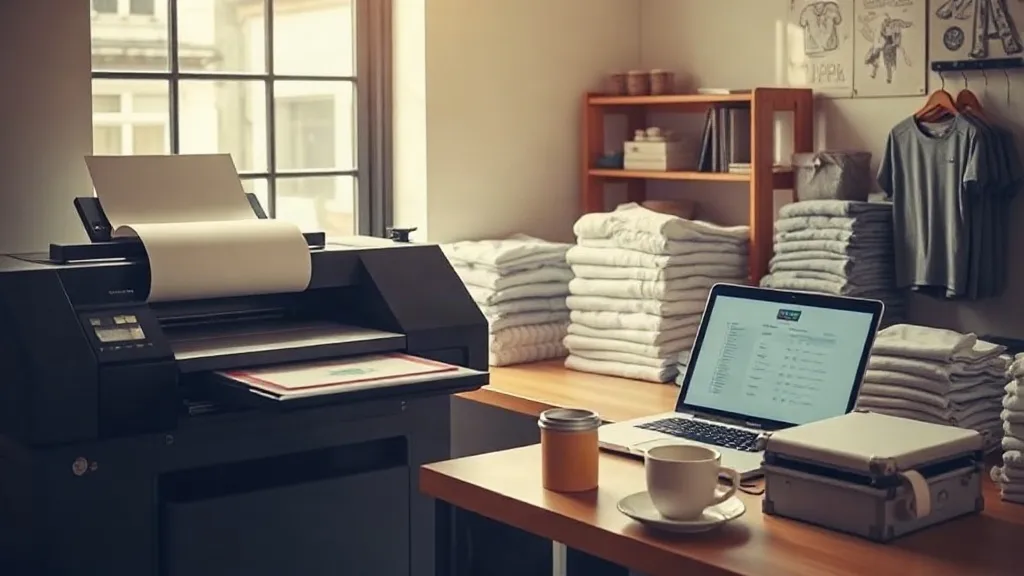
Most print shop owners who add dtf transfers to their service list focus on the press, the powder, and the peel. Then the first busy week arrives and the real problem shows up: pricing. A transfer that looks cheap on paper can quietly eat your margin once you factor in film, ink, labor, and the time you spend answering DMs about sizing. This guide is about the money side of DTF, not the mechanics. It covers how to price jobs, how to structure order flow so quotes do not stall, and where the hidden costs hide.
Start With the True Cost of a Single Transfer
Before you can price anything, you need a per-sheet cost that reflects your actual setup. Many shops quote a flat rate they saw in a Facebook group and wonder later why the month felt busy but not profitable. Build your number from the ground up.
The cost buckets that matter
- Film and powder: The most visible cost, and usually the one people track best.
- Ink: White ink consumption is the sneaky one. Heavy white coverage on dark garments drains cartridges faster than most new shops expect.
- Labor: Designing, nesting, printing, powdering, curing, and trimming all take minutes. Minutes are money.
- Waste: Misprints, bad peels, and reprints for picky clients. Budget a realistic waste percentage rather than pretending it is zero.
- Equipment wear: Printheads, curing ovens, and presses all have a lifespan. A few cents per sheet keeps you honest.
A shop printing gang sheets for local teams might land around $0.80 to $1.40 in true cost for a standard letter sheet, depending on ink coverage and film quality. That range is not a rule, it is a starting point. Your numbers will differ, and they should, because your rent and your labor rate are not the same as anyone else's.
Why gang sheets change the math
Gang sheets are where dtf printing really earns its reputation for efficiency. Filling a sheet with multiple small designs spreads the fixed cost of film and setup across more sellable units. A single 3-inch logo costs nearly the same to print alone as it does as part of a full sheet of twelve. That difference is your margin, and it is the reason smart shops push customers toward gang sheet pricing rather than one-off small orders.
Pricing Models That Actually Work
There is no single correct pricing model, but there are three that hold up in practice. Pick one, apply it consistently, and revisit it when your costs shift.
Per-square-inch pricing
This is the most transparent option and the easiest to explain to customers. You set a rate per square inch, and the quote scales with the design. It rewards larger orders and makes custom sizing simple. The catch is that tiny designs can feel overpriced to buyers, so many shops set a minimum order value to protect themselves.
Tiered sheet pricing
Charge by sheet size and quantity. A single A4 sheet costs more per unit than a bulk order of twenty. This model is simple to communicate and easy to automate on a quote form. It also nudges customers toward bigger orders, which is good for your setup time.
Flat rate with a size cap
Some shops charge one price up to a maximum print area, then add a surcharge beyond it. It is fast to quote and works well for repeat B2B clients who order the same sizes every month. Just be careful with designs that have heavy white coverage, because a flat rate can turn unprofitable fast on ink-hungry artwork.
Where the Hidden Costs Creep In
Pricing is only half the story. The other half is protecting the price you set. A few cost leaks show up in almost every shop that scales DTF orders.
- Free design edits: Offering unlimited revisions on a $6 transfer is a losing trade. Cap revisions or charge for design time.
- Rush fees you forget to charge: Same-day requests should carry a premium. If you absorb them silently, you train customers to expect it.
- Shipping underestimation: Transfer sheets are light but rigid. Packaging and postage add up, especially on small orders.
- Reprints without cause: If a customer applies a transfer wrong and asks for a free replacement, you eat the cost. A short application guide in every order cuts this down noticeably.
One shop owner I spoke with started adding a one-page application card to every order and saw reprint requests drop within a month. The card cost pennies. The saved transfers cost dollars.
Building an Order Flow That Does Not Stall
Quoting is where most small DTF operations lose time. A customer sends a photo of a logo, asks for a price, and then waits. Meanwhile you are printing, powdering, and curing. The fix is a simple intake process.
Standardize what you ask for
Every quote request should collect the same details: artwork file, print size, quantity, garment color, and deadline. A short form does this better than a conversation. When the info is complete up front, quoting takes two minutes instead of two days.
Batch your production
Print all orders received before noon in one run. Powder and cure them together. Trim them together. Batching cuts the per-order labor cost significantly, and that savings is what makes competitive pricing possible. Shops that print one order at a time, start to finish, are paying for setup over and over.
Set clear turnaround expectations
Publish your standard turnaround and stick to it. Two to three business days is common for custom work. When customers know the timeline, they stop asking for updates, and your inbox gets quieter.
Why Local Customers Still Search for DTF Transfers Near Me
Despite the rise of online ordering, a large share of buyers still search for dtf transfers near me. Local sports teams, small boutiques, and event organizers often want to see a sample, ask questions in person, or pick up an order the same week. If you run a local shop, that search traffic is worth capturing.
Make sure your location, service area, and turnaround times are clear on your site and your business listings. A customer comparing two local printers will usually pick the one that answers the practical questions first: how fast, how much, and can I see a sample. Answer those on the page and you have already done most of the selling.
When to Raise Your Prices
Most shop owners wait too long. If your film costs went up, your ink supplier changed pricing, or your order volume doubled without a matching profit increase, it is time to revisit your rates. A small increase applied across the board is easier to communicate than a sudden jump on one client. Give repeat customers a heads up a few weeks in advance and most will stay, because switching printers means re-testing quality and rebuilding a relationship.
Keep a simple spreadsheet of cost per sheet, average selling price, and monthly volume. When those three numbers drift apart, you will see it before it becomes a problem. That habit alone separates shops that last from shops that quietly close.
Frequently Asked Questions
How much should I charge for a single DTF transfer?
It depends on your true cost and local market, but many shops price small singles between $3 and $8 and drop the per-unit price sharply on gang sheets and bulk orders. Calculate your own cost first, then set a price that leaves a real margin after labor and waste.
Is DTF printing profitable for a small shop?
Yes, when priced correctly. The material cost per sheet is modest, and gang sheets spread setup across multiple sellable units. The main risk is underpricing small custom orders that carry the same labor as larger ones.
Why do customers search for DTF transfers near me instead of ordering online?
Local buyers often want fast turnaround, a physical sample, or in-person help with artwork. Event deadlines and team orders push people toward printers they can visit or call directly.
How do I stop losing money on reprints?
Include a short application guide with every order, set a clear policy on customer-error reprints, and document the settings you use so your own process stays consistent. Most reprints come from application mistakes, not print defects.