
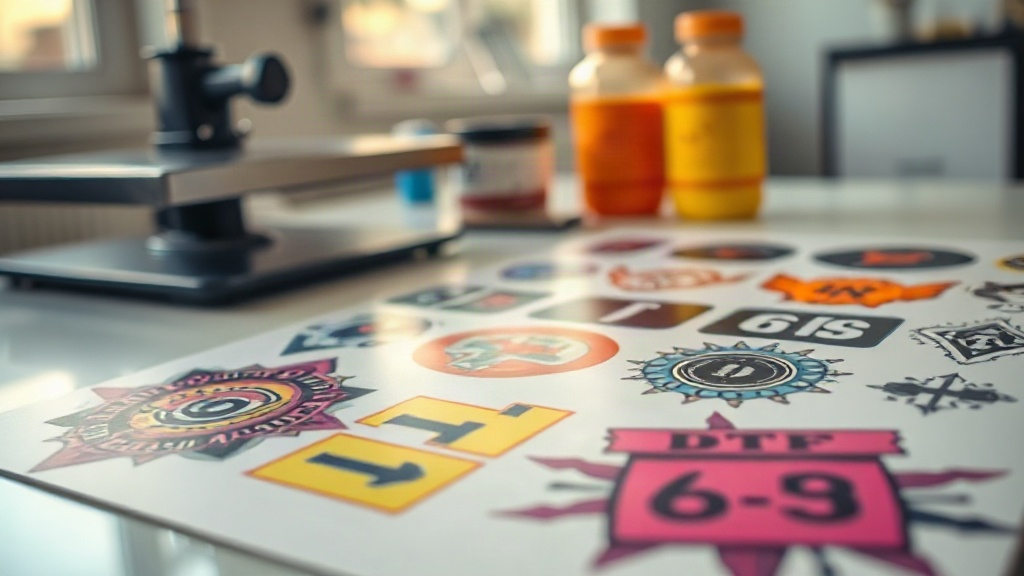
If you run a custom apparel business, you know that balancing quality, speed, and cost is a constant challenge. Enter the DTF gangsheet – a game-changer that lets you print multiple designs in one go, cutting waste and maximizing profits. In this guide, we'll dive deep into what a DTF gangsheet is, why it matters, and how you can use it to transform your production workflow. Whether you're a seasoned pro or just starting out, these insights will help you stay ahead of the curve.
What Exactly Is a DTF Gangsheet?
A DTF gangsheet is a single sheet of DTF (Direct-to-Film) transfer paper that contains multiple designs arranged efficiently. Instead of printing one design at a time, you group several designs onto one sheet, maximizing the use of the film and reducing waste. This approach is akin to gang printing in traditional offset printing, where multiple jobs are combined to save time and materials.
DTF printing itself involves printing your design onto a special film, applying a powder adhesive, and then heat-pressing it onto the fabric. The gangsheet method takes this a step further by allowing you to print a variety of designs on a single sheet, which you can then cut and apply individually. This is particularly useful for small businesses that handle diverse orders, from custom t-shirts to tote bags and more.
Why DTF Gangsheets Are a Smart Choice for Your Business
Adopting DTF gangsheet printing can significantly impact your bottom line. Here are the key benefits:
- Cost Efficiency: By printing multiple designs on one sheet, you use less film and ink, reducing your cost per transfer. This is especially beneficial for small orders that would otherwise be expensive to produce individually.
- Time Savings: Instead of loading the printer for each design, you print once and get a batch of transfers ready. This speeds up production, allowing you to take on more orders.
- Consistency: When you print multiple designs on the same sheet, you ensure consistent color and quality across all transfers, as they go through the same printing and curing process.
- Versatility: You can mix different sizes and designs on one sheet, making it easy to fulfill varied orders without multiple setup runs.
- Reduced Waste: Efficient nesting of designs minimizes unused film areas, which is both eco-friendly and cost-effective.
In short, a DTF gangsheet is not just a printing method; it's a strategic tool for scaling your custom apparel business.
How to Create an Effective DTF Gangsheet
Creating a gangsheet requires careful planning to maximize efficiency. Follow these steps to get it right:
- Collect and Organize Your Designs: Gather all the designs you need to print. Group them by size, color complexity, and quantity. This helps in arranging them optimally.
- Use Gangsheet Builder Software: Many DTF printers come with software or you can use third-party tools to automatically nest designs. These tools arrange your designs to minimize wasted space. If you're doing it manually, think of it as a puzzle – fit as many designs as possible without overlapping.
- Consider the Film Size: Standard DTF film rolls come in widths like 13", 17", or 24". Choose a width that accommodates your designs with minimal trimming. For example, if most of your designs are 10" wide, a 13" roll might be ideal.
- Set Up Your Printer: Load the film and ensure your printer settings are correct for the film type. DTF printers typically use pigment inks and require a specific powder application unit.
- Print and Cure: After printing, apply the hot melt powder evenly, shake off excess, and cure the sheet using a heat press or oven. Follow the manufacturer's guidelines for temperature and time.
- Cut and Store: Once cured, cut the individual transfers apart. Store them in a cool, dry place away from direct sunlight to maintain their adhesive properties.
Pro tip: Always print a test sheet with a few designs to check color accuracy and adhesion before committing to a full gangsheet.
Maximizing Efficiency: Tips from the Trenches
After years of working with DTF printing, I've picked up a few tricks that can save you from common pitfalls:
- Standardize Your Design Sizes: If you frequently print popular sizes like 10"x10" or 12"x12", you can pre-arrange your gangsheet templates. This reduces setup time for repeat orders.
- Rotate Designs for Better Fit: Sometimes rotating a design 90 degrees allows it to fit into tight spots, increasing the number of transfers per sheet.
- Keep a Digital Library: Maintain a folder of your most-used designs in vector format. When you need to build a gangsheet, you can quickly drag and drop them into your layout.
- Invest in a Roll Cutter: A good roll cutter or guillotine can speed up the cutting process and ensure clean edges, which is crucial for professional-looking transfers.
- Monitor Ink and Powder Usage: Track how much ink and powder you use per gangsheet. This data helps you price your products accurately and identify opportunities for savings.
These small adjustments can add up to significant time and cost savings over time.
Common Mistakes to Avoid with DTF Gangsheets
Even experienced printers can slip up. Here are mistakes I've seen (and made) that you should avoid:
- Overcrowding: Trying to squeeze too many designs onto one sheet can lead to overlapping or insufficient space for cutting. Always leave a small margin between designs.
- Ignoring Film Orientation: DTF film has a printable side and a non-printable side. Printing on the wrong side will ruin the transfer.
- Inconsistent Powder Application: Too much powder leads to a rough feel; too little causes poor adhesion. Aim for a light, even coating.
- Skipping the Curing Step: Uncured transfers will not adhere properly and may wash off. Always cure according to the powder manufacturer's recommendations.
- Using the Wrong Fabric: DTF works on many fabrics, but some (like nylon) may require special pretreatment. Test before committing to a large order.
By avoiding these mistakes, you'll produce high-quality transfers consistently.
Pricing Your Products with DTF Gangsheets
Understanding your costs is essential for profitable pricing. When you use a DTF gangsheet, your cost per transfer drops because you're using materials more efficiently. Here's a simple formula to calculate your cost per transfer:
- Calculate the total cost of film, ink, and powder used for the gangsheet.
- Divide by the number of transfers on the sheet.
- Add a margin for labor and overhead.
For example, if a gangsheet costs $10 in materials and yields 20 transfers, your material cost per transfer is $0.50. Add labor and profit margin, and you can price competitively while maintaining healthy margins.
Remember, pricing too low can devalue your work, while pricing too high may drive customers away. Research your market and adjust accordingly.
Frequently Asked Questions About DTF Gangsheets
What is the difference between DTF and DTG printing?
DTF (Direct-to-Film) involves printing on a film, powdering, and heat-pressing onto the fabric, while DTG (Direct-to-Garment) prints directly onto the garment. DTF is more versatile for different fabric types and colors, and gangsheets make it efficient for small batches.
Can I use a DTF gangsheet for dark and light fabrics?
Yes, DTF transfers work on both dark and light fabrics. The white ink layer in DTF printing provides a base that makes colors pop on dark garments. Just ensure you use the appropriate powder and curing settings.
How do I store DTF transfers to maintain their quality?
Store them in a cool, dry place, away from direct sunlight and moisture. Ideally, keep them in a sealed bag or container. Properly stored transfers can last for several months without losing adhesion.
What is the typical turnaround time for a DTF gangsheet order?
Turnaround time depends on the complexity and size of the gangsheet. Usually, you can print, powder, and cure a gangsheet within 1-2 hours, plus cooling time. For large orders, plan accordingly.
Do I need a special printer for DTF gangsheets?
You need a DTF printer that uses pigment inks and a powder shaker. Many converted Epson printers are popular for DTF. Alternatively, you can outsource gangsheet printing to a service like DTFcore.com.
Final Thoughts: Leverage DTF Gangsheets for Growth
In the competitive world of custom apparel, efficiency and cost control are paramount. The DTF gangsheet method offers a practical way to achieve both, allowing you to take on more orders without sacrificing quality. By following the tips and avoiding the pitfalls outlined here, you can streamline your production and boost your profits. Start experimenting with gangsheets today and watch your business thrive.