
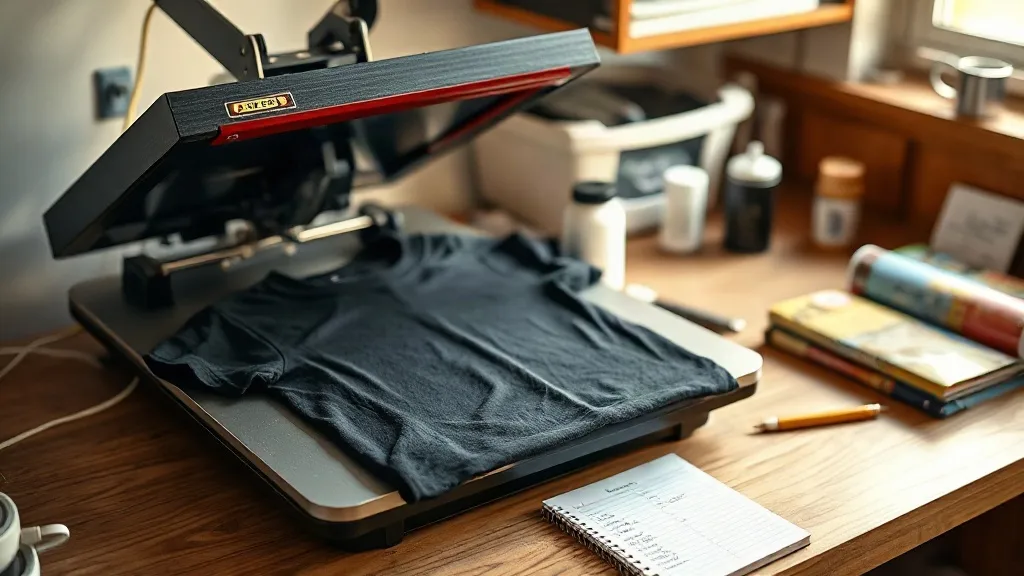
If you run a small print shop, you already know the drill: a customer walks in with a phone photo of a design, wants it on three hoodies by Friday, and the colors need to match the logo on their business card. Screen printing is overkill for that order, and vinyl cutting will eat your afternoon on anything with gradients. This is where dtf transfers earn their place on the workbench. They let you print a full-color design once, press it onto almost any fabric, and move on to the next job without mixing a single ink bucket.
I have watched small shops adopt dtf in two very different ways. Some treat it as a side service for one-off requests and never really learn its quirks. Others build a repeatable process around it and quietly grow their order volume because they can say yes to almost anything. The gap between those two outcomes is not the printer. It is the workflow around it, and that is what this guide covers.
What Actually Happens Inside a DTF Transfer
Understanding the material stack helps you troubleshoot later, so here is the short version. A DTF printer lays down water-based pigment inks onto a coated PET film. The printer then applies a hot-melt adhesive powder over the wet ink, shakes off the excess, and cures the powder until it melts into a flexible layer. The result is a transfer you can store flat, ship in an envelope, or press weeks later.
The pressing step is where the film's adhesive bonds to the fabric while the ink layer sits on top. Because the ink never touches the garment directly, you are not limited by fabric color or fiber the way you are with some other methods. Dark shirts, light shirts, cotton, blends, even some synthetics all behave reasonably well with the right settings.
Why the Powder Matters More Than People Think
New operators tend to obsess over ink coverage and ignore the adhesive powder. That is backwards. A transfer with beautiful print quality and a weak powder layer will crack, peel, or wash out within a handful of cycles. If you see patchy adhesion, uneven stretch recovery, or edges lifting after the first wash, suspect the powder application before you blame the film or the press.
- Shake the powder evenly and cure it fully; undercured powder feels gritty and bonds poorly.
- Store transfers flat and dry, away from heat and humidity, so the adhesive layer stays intact.
- Check film age if a batch suddenly misbehaves; older film can curl and press unevenly.
File Prep Choices That Save You Rework
Most wasted transfers trace back to the file, not the equipment. A few habits will cut your reprint rate noticeably.
Build a Workable White Layer
The white ink layer under your colors is what makes a design readable on dark garments. Too thin and the colors go muddy. Too thick and the print feels like a plastic patch. If your design has fine detail, thin strokes, or small text, give the white layer a slight choke so the color sits cleanly on top without a white halo. Test on your darkest stock fabric before you commit to a full run.
Respect Minimum Line Weight
Very fine hairlines and tiny serif fonts can break up on film, especially at small print sizes. If a customer insists on a delicate script for a chest logo, print a test at final size rather than judging it on a zoomed-in screen. A two-minute test press beats a reprint and an apology.
Color Expectation Setting
Pigment inks on film will not match a Pantone swatch exactly, and they will look slightly different on a navy hoodie than on a white tee. Say this to customers up front. Shops that promise exact brand color matches on every fabric end up in arguments they cannot win.
Pressing Settings and the Variables That Matter
Every film brand publishes a recommended temperature, time, and pressure window. Follow it as a starting point, then adjust for your own press. A few variables move results more than others.
- Temperature: Too cool and the adhesive never fully activates; too hot and the film can scorch or the carrier releases prematurely.
- Pressure: Even, firm pressure across the platen matters more than raw force. A worn press pad creates soft spots that cause partial adhesion.
- Peel temperature: Some films want a hot peel, others a cold peel. Getting this wrong is one of the most common causes of cracked edges.
- Second press: A short post-press with a cover sheet smooths the surface and improves wash durability. Do not skip it.
Keep a small logbook taped near the press. Note fabric type, temperature, time, and peel style for each job that comes out well. After a month you will have a reference sheet that is more useful than any generic chart, because it reflects your equipment and your typical garments.
Fabric Behavior You Should Know Before Quoting
DTF is flexible, but it is not magic. Here is how common garments behave.
Cotton and Cotton Blends
This is the easy zone. Ringspun cotton tees, heavy fleece hoodies, and cotton-poly blends all hold transfers well. Expect strong wash durability when the powder layer is properly cured and the press settings are dialed in.
High-Stretch and Performance Fabrics
Stretch fabrics test the adhesive. A transfer that looks perfect on a cotton tee can crack on a compression shirt within a few wears if the ink layer cannot move with the fabric. For these jobs, reduce design coverage where possible, avoid heavy solid blocks over high-flex areas, and consider a stretch-friendly film if your supplier offers one.
Nylon, Waterproof, and Coated Fabrics
These are the trouble cases. Water-repellent finishes and coatings can prevent the adhesive from bonding. Test on an offcut before you promise anything, and be honest with customers when a fabric is a poor candidate.
Where DTF Fits in a Real Shop's Day
The method shines in the gaps. A single custom shirt that is not worth setting up a screen for. A last-minute team order with a full-color mascot. Sample runs for a client who has not decided on a design. Small batches where per-unit cost matters less than speed and flexibility.
It is weaker when you need thousands of identical pieces at the lowest possible unit cost, or when a customer wants a specific hand feel that only screen printing delivers. Knowing where the method wins and where it loses is what lets you quote confidently instead of guessing.
Storage and Inventory Discipline
Transfers are inventory, and they degrade. Keep them flat, dry, and away from direct heat. Label batches by date. If a customer reorders a design six months later, you want to know whether the original film is still usable or whether you should reprint. Shops that skip labeling end up pressing stale film and wondering why edges lift.
Common Mistakes That Cost Shirts
- Pressing before the garment has fully dried after pre-treating or moisture exposure.
- Peeling the carrier too early or too late for the film type in use.
- Skipping the post-press cover sheet, then blaming the film for a rough texture.
- Using a press pad with a divot, which creates a low-pressure zone under the design.
- Storing transfers in a humid back room and discovering the problem weeks later.
None of these are exotic. They are the small operational slips that separate a smooth DTF line from one that keeps eating blanks.
Finding Reliable Supply and Service
If you do not want to run your own printer, local and online transfer services are everywhere now. Searching for dtf transfers near me will surface shops that print gang sheets and ship flat, which is often the fastest way to test the method before investing in equipment. Ask about film brand, recommended press settings, and turnaround on reprints. A supplier who answers those questions clearly is usually a supplier who will not leave you hanging mid-order.
Frequently Asked Questions
How many washes should a DTF transfer survive?
With correct pressing and a fully cured powder layer, most garments hold up for dozens of wash cycles. Real-world results depend heavily on fabric type, wash temperature, and whether the garment is tumble dried on high heat. Washing inside out in cold water and hanging to dry will noticeably extend the print's life.
Can I press a DTF transfer with a home iron?
You can, but results are inconsistent. A home iron does not deliver even pressure or a stable temperature across the whole design, so edges and corners often fail first. For anything a customer is paying for, a proper heat press is worth the investment.
Do DTF transfers work on 100 percent polyester?
Often yes, with caveats. Polyester handles heat differently and some dyes can migrate into the print over time, especially on darker colors. Use a lower temperature where the film allows, test on an offcut, and warn customers about dye migration risk on saturated polyester garments.
What is the difference between DTF and DTG?
DTG prints directly onto the garment, which limits you mostly to cotton and requires pretreating. DTF prints onto film first and then transfers, which opens up blends, synthetics, and dark fabrics without pretreatment. DTF also lets you store and ship finished transfers, which DTG cannot do.
How should I store unused transfers?
Keep them flat in a dry space at room temperature, away from sunlight and heat sources. Do not stack heavy items on top, since creased film presses unevenly. Label by date and design so you can rotate stock and reprint before quality drops.