
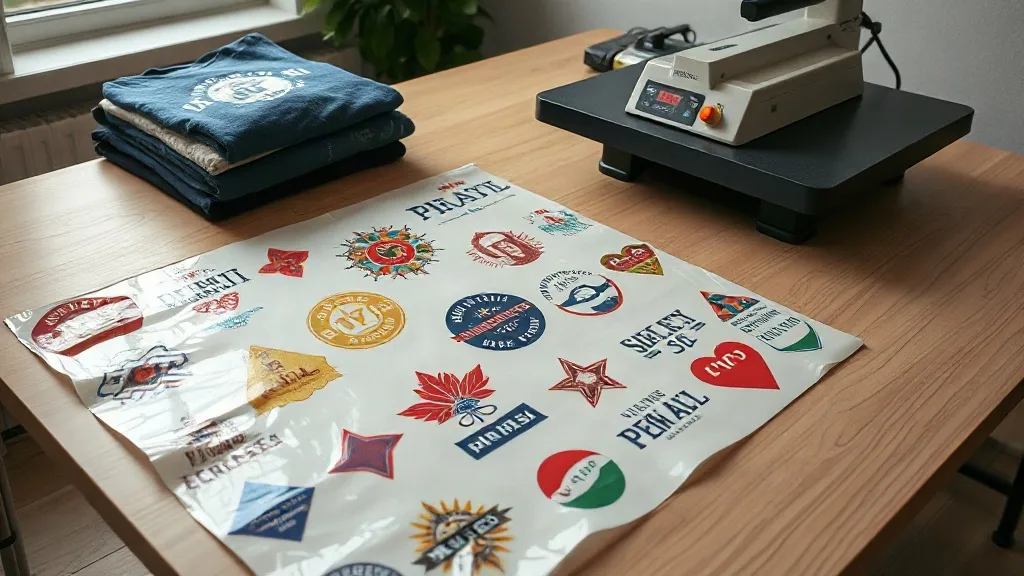
If you run a custom apparel business, you know that efficiency and quality are the keys to staying competitive. Every minute spent on production and every dollar spent on materials eats into your margins. That's where DTF Gangsheet comes in. This innovative printing method lets you arrange multiple designs on a single sheet, maximizing your printer's output and minimizing waste. In this article, we'll explore what DTF gangsheets are, how they work, and why they might be the missing piece in your production puzzle.
What Is a DTF Gangsheet?
A DTF (Direct to Film) gangsheet is a large sheet of transfer film that contains multiple designs printed together. Instead of printing each design individually, you gang them up on one sheet, hence the name. This approach is particularly useful for small to medium-sized print shops that need to produce a variety of designs quickly and cost-effectively.
The process involves printing your designs onto a special film using DTF inks, applying a powder adhesive, and then curing the sheet. Once ready, you can cut out each design and transfer it onto garments using a heat press. The gangsheet method allows you to fill the entire printable area of your printer, which means you're using less film and ink per design compared to printing one-off.
Why Choose DTF Gangsheets Over Other Methods?
There are several printing methods available for custom apparel, each with its own strengths and weaknesses. DTF gangsheets stand out for a few key reasons:
- Cost efficiency: By maximizing the use of film and ink, you reduce the cost per print. This is especially beneficial for small orders or sample prints.
- Versatility: DTF transfers work on a wide range of fabrics, including cotton, polyester, blends, and even some nylons. You're not limited to a single material type.
- Vibrancy and durability: DTF prints are known for their bright colors and ability to withstand repeated washing without fading or cracking.
- No weeding or masking: Unlike vinyl, DTF gangsheets don't require tedious weeding or masking, saving you hours of labor.
For businesses that offer a variety of designs, such as on-demand printing services or merchandise shops, DTF gangsheets can be a game-changer. You can print multiple designs in one go, cut them apart, and have them ready for pressing whenever an order comes in.
How to Create a DTF Gangsheet: Step by Step
Creating a gangsheet is straightforward if you follow the right steps. Here's a quick guide:
- Prepare your designs: Ensure all designs are in a high-resolution format (300 DPI is recommended) and have a transparent background. Arrange them on a canvas that matches the width of your film roll (commonly 13, 17, or 22 inches).
- Print the sheet: Load your DTF printer with the appropriate film and ink. Print the gangsheet as you would any other design, making sure to leave a small gap between designs for easy cutting.
- Apply adhesive powder: While the ink is still wet, sprinkle the DTF adhesive powder evenly over the printed area. Shake off excess powder.
- Cure the sheet: Place the sheet in a curing oven or use a heat press to melt the powder. Follow the manufacturer's recommended temperature and time.
- Cut and press: Once cured, cut out each design and press it onto your garment using a heat press. Peel the film while hot or cold, depending on the film type.
With a bit of practice, you'll be able to produce gangsheets quickly and consistently.
Maximizing Efficiency with DTF Gangsheets
To get the most out of your DTF gangsheets, consider these tips:
- Nest designs closely: Arrange designs to minimize wasted space. Rotate and flip designs if necessary to fit more on a sheet.
- Group similar colors: If you're printing multiple designs, grouping those with similar color palettes can reduce ink changes and save time.
- Use quality film and powder: Cheaper materials can lead to poor adhesion and dull colors. Invest in reputable supplies for consistent results.
- Maintain your printer: Regular cleaning and maintenance ensure your printer operates smoothly and extends its lifespan.
By implementing these practices, you'll see a noticeable improvement in your workflow and bottom line.
Common Applications of DTF Gangsheets
DTF gangsheets are used across various industries and applications. Here are some popular uses:
- Custom t-shirts: Print multiple designs for events, teams, or retail.
- Promotional items: Create branded merchandise like tote bags, hats, and aprons.
- Small business orders: Efficiently handle small batches without high setup costs.
- Sample production: Quickly produce samples for client approval.
The flexibility of DTF means you can experiment with different fabrics and styles without changing your entire setup.
Frequently Asked Questions
What is the difference between DTF gangsheet and DTF transfer?
A DTF transfer is a single design printed on film, while a DTF gangsheet contains multiple designs on one sheet. Gangsheets are more efficient for producing multiple transfers at once.
Can I use DTF gangsheets on dark colors?
Yes, DTF transfers include a white ink layer that makes them opaque on dark fabrics. The colors remain vibrant and true to the design.
How long does a DTF gangsheet last?
When properly stored in a cool, dry place away from direct sunlight, DTF gangsheets can last for several months. Once pressed, the prints are durable and can withstand many washes.
Do I need a special printer for DTF gangsheets?
You need a DTF printer that uses DTF inks and film. Many converted inkjet printers can be used, but dedicated DTF printers offer better reliability and output quality.
What is the maximum width of a DTF gangsheet?
The maximum width depends on your printer and film roll. Common widths are 13, 17, and 22 inches, but some industrial printers can handle wider rolls.
DTF gangsheets are a powerful tool for any custom apparel business looking to boost efficiency and reduce costs. By understanding the process and implementing best practices, you can streamline your production and deliver high-quality prints that keep customers coming back. Whether you're a small startup or an established shop, integrating DTF gangsheets into your workflow is a smart move.