
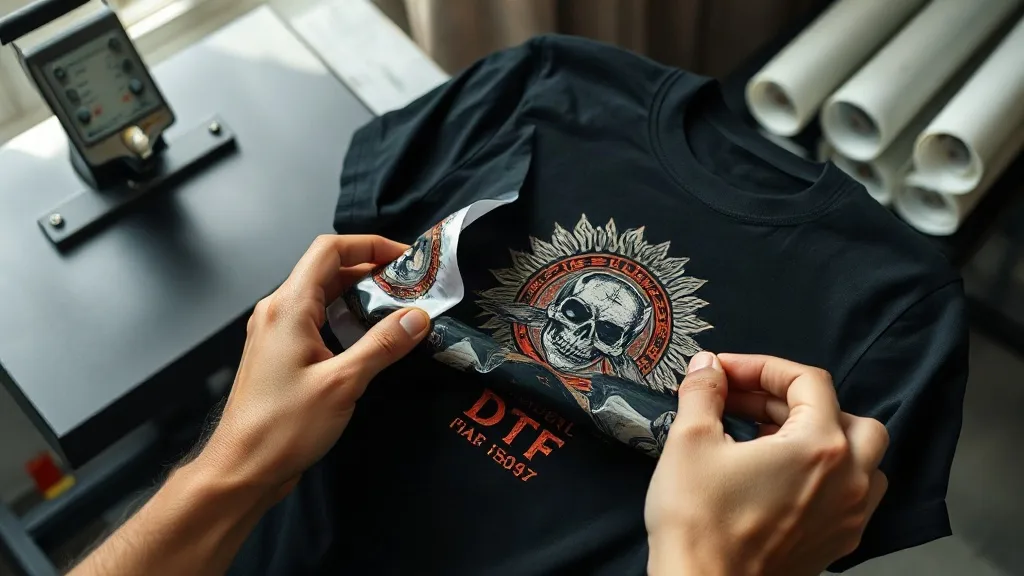
When you first start exploring garment decoration, the options can feel overwhelming. Screen printing demands volume, vinyl requires weeding, and sublimation only works on polyester. Then you hear about dtf transfers, and suddenly there's a method that promises vibrant color on cotton, blends, and even dark shirts without the usual headaches. But does it really live up to the hype? In this guide, we'll walk through what DTF is, how to choose the right supplies, and the small details that separate a print that cracks after two washes from one that survives dozens.
What Exactly Are DTF Transfers?
DTF stands for Direct to Film. The process involves printing your design onto a special PET film using water-based pigment inks, then applying a thermoplastic polyurethane (TPU) powder while the ink is still wet. After curing, the powder melts and forms a flexible, adhesive layer. To apply, you heat press the film onto the fabric, wait for it to cool, and peel away the film. The result is a soft, stretchable print that bonds mechanically to the fibers.
Unlike DTG, which prints directly onto the garment, DTF separates the printing and application steps. That means you can print designs in bulk, store them, and press them on demand. It also means you can decorate items that don't fit on a platen, like sleeves, bags, or shoes. The versatility is a big part of why dtf has become a go-to for small shops and hobbyists alike.
Why Choose DTF Over Other Methods?
Every decoration method has its sweet spot. DTF shines when you need full-color, photographic-quality prints on dark or light fabrics without color restrictions. Here's how it stacks up:
- No color limits: Print gradients, fine details, and photorealistic images with ease.
- Fabric flexibility: Works on cotton, polyester, blends, and even some nylons.
- No pre-treatment: Unlike DTG, you don't need to pretreat shirts, saving time and mess.
- Storage-friendly: Printed transfers can be stored for months if kept dry and away from heat.
- Low entry cost: A decent printer and heat press are all you need to start.
Of course, DTF isn't perfect. The hand feel is slightly thicker than DTG on very soft fabrics, and proper curing is essential for wash durability. But for many, the pros far outweigh the cons.
Choosing the Right DTF Supplies
Your output quality depends heavily on the supplies you use. Skimping on film or powder often leads to frustrating results. Let's break down the key components.
DTF Film: Cold Peel vs. Hot Peel
Film comes in two main types: cold peel and hot peel. Cold peel requires you to wait until the transfer is completely cool before removing the film. This usually yields a slightly softer hand and is more forgiving if your press temperature fluctuates. Hot peel, on the other hand, lets you remove the film immediately after pressing while it's still hot. It speeds up production but demands precise temperature and pressure. For beginners, cold peel is often more forgiving. Once you dial in your process, hot peel can boost efficiency.
DTF Powder: Fine vs. Coarse
The powder is the adhesive that makes the ink stick to the fabric. Fine powder (around 80-200 microns) gives a smoother, softer finish and is ideal for detailed designs. Coarse powder (200-400 microns) provides a stronger bond and works better on stretchy fabrics, but it can feel grainier. Always match the powder to your design and fabric type.
Inks and Printer Compatibility
Not all DTF inks are created equal. Look for pigment inks specifically formulated for DTF. They should be vibrant, opaque, and capable of stretching without cracking. Also, ensure your printer is compatible with DTF film and has a reliable white ink channel. Clogged white ink is a common pain point, so regular maintenance is key.
Step-by-Step DTF Application
Getting a perfect transfer isn't rocket science, but it does require attention to detail. Here's a reliable workflow:
- Print your design: Mirror the image before printing. Ensure the film is loaded correctly and the white ink layer is sufficient.
- Apply powder: While the ink is still wet, sprinkle powder evenly over the design. Shake off excess and return it to the container.
- Cure the powder: Place the film in an oven or under a heat source until the powder melts and looks glossy. This usually happens around 160-170°C (320-340°F) for a few minutes.
- Prepare the fabric: Preheat your heat press to 160°C (320°F) and pre-press the garment for a few seconds to remove moisture.
- Press the transfer: Place the film on the fabric, cover with a protective sheet, and press with medium pressure for 10-15 seconds.
- Peel: If using cold peel, wait until completely cool before peeling. For hot peel, peel immediately.
- Post-press (optional): For extra durability, press again for 5 seconds with a protective sheet.
Always test your settings on a scrap piece of fabric. Small adjustments in temperature, pressure, or time can make a big difference.
Troubleshooting Common DTF Issues
Even with the best supplies, problems can arise. Here are some frequent issues and how to fix them:
- Ink not adhering to film: Usually caused by insufficient white ink or incorrect printer settings. Check your white ink density and ensure the film is compatible.
- Powder not melting: Might be due to insufficient curing time or temperature. Verify your oven's actual temperature with a thermometer.
- Transfer peeling after wash: Often a sign of under-curing or insufficient pressure during application. Increase pressure and ensure the powder is fully melted.
- Cracking: Can happen if the ink layer is too thick or the fabric stretches beyond the ink's elasticity. Use a finer powder and adjust your design to avoid large solid areas.
- Ghosting or double image: Occurs when the film shifts during pressing. Use a tack spray or secure the film with heat-resistant tape.
Keep a log of your settings and results. Over time, you'll develop a feel for what works with your specific equipment.
Finding Quality DTF Transfers Near You
If you're not ready to invest in a printer, you can buy pre-printed transfers. Searching for dtf transfers near me can connect you with local suppliers who offer quick turnaround and personalized service. Buying locally means you can see samples, ask questions, and build a relationship with someone who understands the craft. Plus, you'll save on shipping and reduce your environmental footprint. When evaluating a supplier, ask about their ink quality, film type, and curing process. A reputable supplier will be transparent and happy to share details.
Maximizing Durability and Hand Feel
Nobody wants a print that feels like plastic or falls apart after a few washes. Here are some tips to get the best of both worlds:
- Use the right powder: Fine powder for detailed, soft prints; coarse for stretchy fabrics.
- Don't over-press: Excessive heat or pressure can flatten the ink and make it stiff. Stick to the recommended settings.
- Wash inside out: Advise your customers to turn garments inside out and wash in cold water. Avoid fabric softeners and tumble dry low.
- Test stretch: Before selling, stretch the print gently to ensure it moves with the fabric.
Remember, DTF is a mechanical bond, so proper application is crucial. A well-applied transfer can last 50+ washes.
Common Questions About DTF Transfers
Can I use DTF transfers on 100% cotton?
Absolutely. DTF works beautifully on cotton, and you don't need any pre-treatment. The ink adheres to the fibers via the powder adhesive, creating a durable bond.
How long can I store DTF transfers?
When stored in a cool, dry place away from direct sunlight, DTF transfers can last up to 6 months. Avoid humidity, which can cause the powder to clump.
What's the difference between DTF and DTG?
DTG prints directly onto the garment, while DTF prints onto a film that is then transferred. DTF offers more fabric flexibility and doesn't require pre-treatment, but DTG can produce a softer hand on 100% cotton.
Do I need a special heat press for DTF?
Any heat press that can maintain consistent temperature and pressure will work. A clamshell or swing-away press is fine. Just ensure the platen is large enough for your designs.
Why is my DTF transfer cracking after washing?
Cracking usually indicates under-curing of the powder or insufficient pressure during application. Make sure the powder is fully melted and apply firm pressure when pressing.