
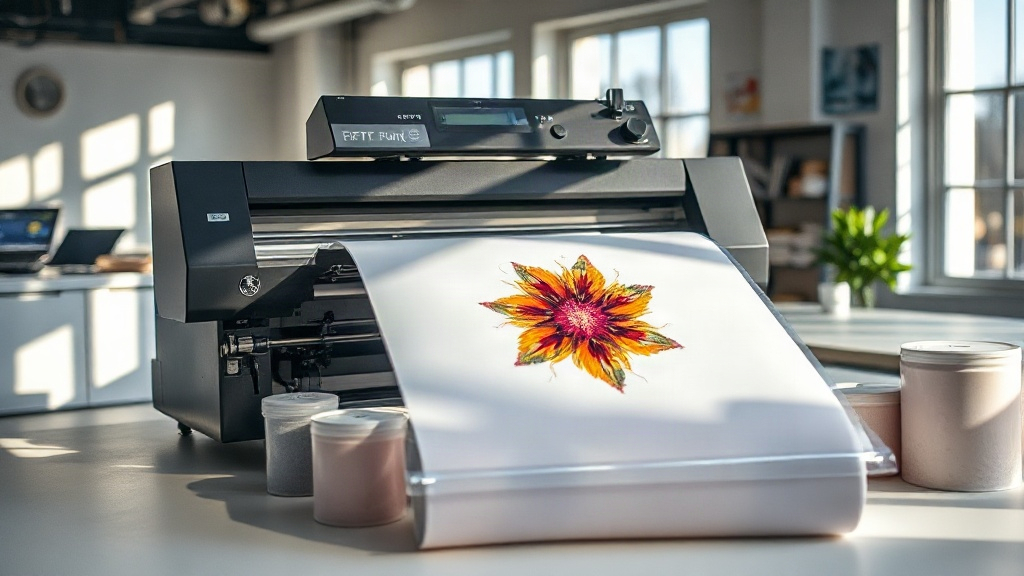
If you've been exploring custom apparel printing, you've likely encountered DTF printing. Short for Direct-to-Film, this technology is changing how creators and businesses produce vibrant, durable designs on various fabrics. Unlike traditional methods, DTF offers unmatched versatility and color vibrancy. In this guide, we'll dive deep into DTF printing, from its mechanics to practical tips for flawless results.
What is DTF Printing?
DTF printing stands for Direct-to-Film. It's a digital printing process where your design is printed onto a special film, coated with adhesive powder, and then heat-pressed onto the fabric. This method eliminates the need for pre-treatment or weeding, making it a game-changer for small businesses and hobbyists alike.
How DTF Works Step by Step
The process begins with creating your artwork. Once ready, a DTF printer prints the design onto a PET film using specialized inks. While the ink is still wet, a fine adhesive powder is applied, then excess powder is shaken off. The film is heated to melt the powder, creating a transferable layer. Finally, the film is placed on the garment and pressed with a heat press, transferring the design permanently.
Why Choose DTF Printing?
There are several reasons why DTF printing has become a preferred choice:
- Versatility: Works on cotton, polyester, blends, and even treated leather.
- No Weeding: Unlike vinyl, there's no tedious weeding process.
- Vibrant Colors: Produces bright, detailed prints with gradients and fine lines.
- Durability: Prints withstand repeated washing without cracking or fading.
- Cost-Effective: Low setup costs make it ideal for short runs and personalized items.
DTF vs. Other Printing Methods
How does DTF stack up against DTG, screen printing, and vinyl? Let's compare.
DTF vs. DTG
DTG (Direct-to-Garment) prints directly onto fabric, often requiring pre-treatment. It works best on 100% cotton. DTF, however, can be used on a wider range of materials and doesn't need pre-treatment, making it more versatile.
DTF vs. Screen Printing
Screen printing is cost-effective for large orders but requires separate screens for each color. DTF excels in small batches and complex designs with many colors, as there's no per-color cost.
DTF vs. Heat Transfer Vinyl
HTV requires weeding and layering, which is time-consuming. DTF transfers are ready to press, saving hours of labor.
Getting Started with DTF Printing
Ready to try DTF? Here's what you need:
- DTF Printer: Choose a reliable printer that suits your volume.
- DTF Inks: Use high-quality inks for vibrant, lasting results.
- PET Film: Select film compatible with your printer.
- Adhesive Powder: Often TPU-based, available in fine or coarse grades.
- Heat Press: A good heat press ensures even transfer.
- Design Software: Create or edit your artwork.
Choosing the Right DTF Printer
Entry-level printers like the Epson F2100 converted for DTF are popular, but dedicated DTF printers from brands like Prestige and Vivid offer better efficiency. Consider your budget, print volume, and desired quality.
DTF Ink and Powder Essentials
Not all inks are created equal. Look for DTF inks designed for your printer model. Adhesive powder should be stored in a dry place to prevent clumping. Fine powder (80-200 microns) works well for detailed designs.
Step-by-Step DTF Printing Process
Follow these steps for successful DTF transfers:
- Prepare Your Design: Ensure it's mirrored and at 300 DPI.
- Print on Film: Load the PET film into your printer and print.
- Apply Powder: While ink is wet, sprinkle powder evenly.
- Cure the Powder: Heat the film until powder melts (around 160°C for 2-3 minutes).
- Press onto Garment: Preheat garment, then press at 160°C for 15-20 seconds.
- Peel Film: Wait for it to cool, then peel off the film.
Tips for Perfect DTF Transfers
To get professional results, keep these tips in mind:
- Control Moisture: Humidity can affect powder adhesion. Use a dehumidifier if needed.
- Test Your Settings: Every heat press varies; test time, temperature, and pressure.
- Store Film Properly: Keep film in a cool, dry place to prevent curling.
- Use Quality Garments: Smooth fabrics yield better transfers.
Common DTF Problems and Solutions
Even with experience, issues can arise. Here's how to troubleshoot:
Weak Adhesion
If the transfer peels off, increase pressure or temperature. Ensure the garment is clean and preheated.
Color Fading
Fading after washing often means under-cured powder. Increase curing time or temperature.
Clogged Printhead
Regular maintenance and using quality inks prevent clogs. Run a cleaning cycle if needed.
Applications of DTF Printing
DTF is used for:
- Custom t-shirts, hoodies, and sportswear
- Canvas bags and backpacks
- Denim jackets and jeans
- Corporate uniforms and promotional items
- Home textiles like pillow covers
Future of DTF Printing
As technology advances, DTF printers are becoming faster and more affordable. Innovations in inks and films continue to improve durability and color vibrancy. With its flexibility, DTF is poised to remain a top choice for custom apparel decoration.
Frequently Asked Questions
What fabrics can I use with DTF printing?
DTF works on a wide range of fabrics, including cotton, polyester, blends, and even leather. It's not limited to natural fibers like DTG.
How long does a DTF print last?
With proper application and care, DTF prints can last as long as the garment. They withstand 50+ washes without significant fading or cracking.
Do I need special software for DTF printing?
No, you can use any graphic design software like Photoshop or Illustrator. Just ensure your design is mirrored and at high resolution.
Can I use DTF on dark garments?
Absolutely! DTF prints include a white ink layer, so colors pop on both light and dark fabrics.
Is DTF printing cost-effective for small orders?
Yes, DTF has low setup costs and no minimum order quantity, making it perfect for small businesses and personalized items.
With this comprehensive guide, you're ready to explore the world of DTF printing. Whether you're a hobbyist or a business owner, DTF offers a versatile, durable, and vibrant way to bring your designs to life.