
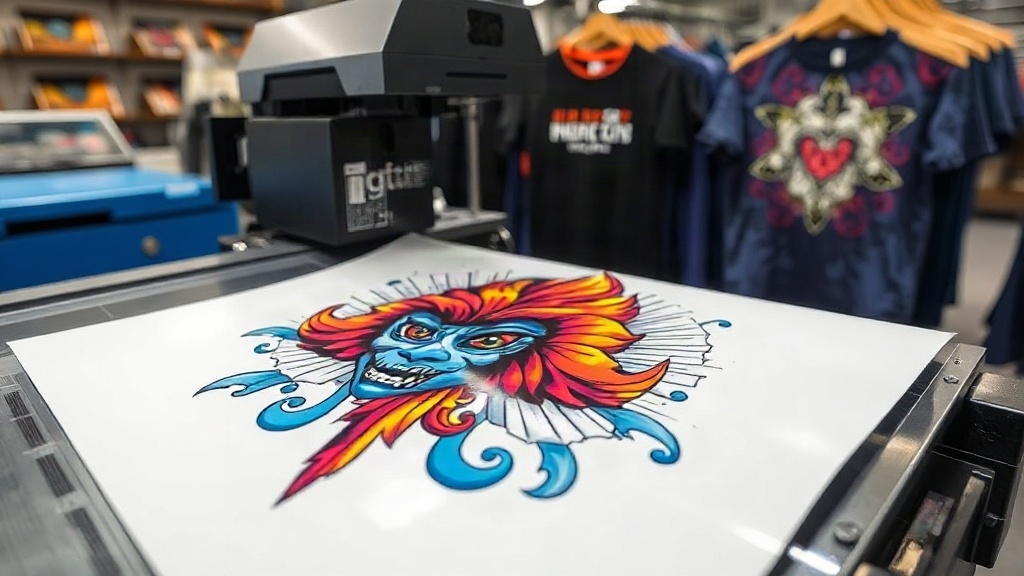
If you've been in the apparel decoration game for a while, you've likely heard the buzz around DTF printing. It's not just another trend; it's a technology that's reshaping how small shops and large operations approach custom garments. Unlike screen printing, which requires separate screens for each color, or DTG, which demands pretreated shirts, DTF offers a versatile, cost-effective alternative that delivers vibrant, durable results on a wide range of fabrics. Whether you're a seasoned decorator looking to expand your offerings or a newcomer trying to understand the hype, this guide will walk you through everything you need to know about DTF printing, from the basics to advanced business strategies.
What Exactly Is DTF Printing?
DTF stands for Direct to Film. At its core, the process involves printing a design onto a special PET film using a DTF printer, which typically uses pigment-based inks. After printing, a thermoplastic polyurethane (TPU) powder is applied to the wet ink. This powder acts as an adhesive. The film is then cured, and the design is transferred onto the garment using a heat press. The result is a soft, stretchable print that bonds permanently to the fabric. What sets DTF apart is its ability to print on virtually any fabric, including cotton, polyester, blends, and even leather, without the need for pretreatment. This flexibility makes it a game-changer for decorators who work with diverse materials.
The DTF Printing Process Step by Step
Understanding the workflow is crucial for consistent results. Here's a breakdown of the key steps:
- Design Preparation: Create or adjust your artwork in a graphics program. Ensure it's mirrored (unless your printer software does it automatically) and set the correct color profile for DTF printing.
- Printing: Load the PET film into your DTF printer. The printer lays down a layer of white ink (for opacity) followed by CMYK colors. Some printers also use additional colors like orange or green for wider gamut.
- Powdering: While the ink is still wet, TPU powder is applied evenly over the print. A powder shaker machine automates this, but manual application is possible for small batches.
- Curing: The film with powder goes into a curing oven or under a heat source to melt the powder. This step is critical; under-curing leads to wash-off, over-curing can damage the film.
- Transfer: Once cured, the film is placed on the garment and pressed with a heat press at around 320°F (160°C) for 10-15 seconds. After pressing, the film is peeled off (hot peel or cold peel depending on the film type), leaving the design bonded to the fabric.
Materials You'll Need
To get started with DTF, you'll need:
- DTF Printer: Options range from converted Epson printers to dedicated industrial machines. Entry-level models start around $3,000, while high-volume printers can cost $15,000 or more.
- DTF Inks: Pigment-based inks specifically formulated for DTF. Using incorrect inks can clog printheads and ruin prints.
- PET Film: Available in rolls or sheets, with different thicknesses and finishes (matte, glossy). Double-sided film is popular for its ease of use.
- TPU Powder: The adhesive powder. Particle size affects the feel and durability; finer powders give a softer hand.
- Heat Press: A reliable heat press with even pressure and accurate temperature control is essential.
- Curing Oven: For professional results, a dedicated curing oven ensures consistent melting of the powder.
Why Choose DTF Over Other Methods?
Each decoration method has its strengths, but DTF shines in several areas:
- No Pretreatment: Unlike DTG, you don't need to pretreat shirts, saving time and equipment costs.
- Fabric Versatility: Works on cotton, polyester, blends, nylon, leather, and more. Screen printing struggles with dark polyester, and DTG requires high cotton content.
- Color Vibrancy: DTF prints can achieve bright, opaque colors even on dark garments without a white underbase in the design file.
- Cost-Effective for Short Runs: No screens or setup fees, making it ideal for small batches and personalized items.
- Durability: When properly applied, DTF prints withstand dozens of washes without fading or cracking.
However, DTF isn't perfect for every scenario. For large orders of simple one-color designs, screen printing is still more economical. And for a super-soft hand on 100% cotton, DTG might feel better. But for a versatile shop, DTF is a valuable addition.
Setting Up Your DTF Workshop
Starting a DTF operation requires careful planning. Here are key considerations:
Space and Ventilation
DTF printing involves fumes from inks and powder. A well-ventilated room is a must. Ideally, set up your printer and curing oven in a dedicated area with an exhaust fan. Some shops use fume extractors to keep the air clean.
Printer Maintenance
DTF printers require daily maintenance to prevent clogged printheads. This includes printing a test pattern, cleaning the capping station, and occasionally flushing the lines. Neglecting maintenance can lead to expensive repairs and downtime.
Workflow Optimization
Efficiency is key to profitability. Organize your workspace so that printing, powdering, curing, and pressing stations are in a logical sequence. Use a heat press with a digital timer and temperature control for consistency. Consider a conveyor dryer for larger volumes.
Common Challenges and How to Overcome Them
Even experienced decorators face issues with DTF. Here are some common problems and solutions:
- Faded or Dull Prints: Usually caused by incorrect color profiles or expired ink. Ensure your ICC profile matches your printer and ink set.
- Powder Not Sticking: If the ink is too dry before powdering, the powder won't adhere. Work quickly or adjust the printer's ink density.
- Cracking After Wash: Often due to under-curing or insufficient pressure during transfer. Verify curing temperature and pressure settings.
- Film Jams: PET film can jam if the printer's feed rollers are dirty or the film is not loaded correctly. Clean rollers regularly and use high-quality film.
Business Applications: Where DTF Shines
DTF opens up numerous revenue streams:
- Custom T-Shirts: Perfect for one-off designs, team jerseys, and event merch.
- Polyester Sportswear: Ideal for sublimation-like results on polyester without the limitations of sublimation (which requires white fabric).
- Denim and Leather: Add intricate designs to jackets, jeans, and bags.
- Promotional Items: Tote bags, caps, and more.
Many decorators use DTF to offer same-day service for small orders, which can be a competitive advantage.
Cost Analysis: Is DTF Profitable?
Let's break down the costs. A typical DTF setup might include:
- Printer: $4,000
- Heat Press: $500
- Curing Oven: $1,000
- Initial Supplies (film, powder, ink): $500
Total initial investment: around $6,000. Per print, costs include film ($0.50-$1.00 per sheet), powder ($0.10-$0.30), and ink ($0.20-$0.50), plus labor. A typical A4-sized print might cost $1.50-$2.50 in materials. If you sell a printed shirt for $20, your profit margin can be substantial. However, you need volume to justify the equipment. Many shops start with a smaller printer and upgrade as demand grows.
Future of DTF Printing
The technology is still evolving. We're seeing faster printers, improved inks with better wash fastness, and eco-friendly powder options. As more manufacturers enter the market, prices are likely to decrease, making DTF accessible to even more small businesses. Staying updated with these trends can give you a competitive edge.
Frequently Asked Questions
What fabrics can I use with DTF printing?
DTF works on almost any fabric, including cotton, polyester, cotton-poly blends, nylon, leather, and even some treated woods. It's particularly useful for dark and synthetic fabrics where other methods struggle.
How durable is a DTF print?
When applied correctly, a DTF print can last 50+ washes without significant fading or cracking. Proper curing and pressing are crucial for durability. Always follow the manufacturer's guidelines for temperature and time.
Do I need a special printer for DTF?
Yes, you need a printer that uses DTF pigment inks and is designed to handle PET film. Many people convert Epson printers, but dedicated DTF printers are available from various brands. These printers have modified printheads and ink systems to handle the thick white ink.
Can I use DTF on 100% polyester?
Absolutely. DTF is excellent on polyester because it doesn't require the high temperatures that can scorch synthetic fabrics. The transfer temperature is lower than sublimation, and the print remains vibrant.
Is DTF printing cost-effective for small orders?
Yes, DTF is very cost-effective for small orders because there are no setup fees like screen printing. You can print one-offs without wasting materials, making it ideal for custom and personalized items.