
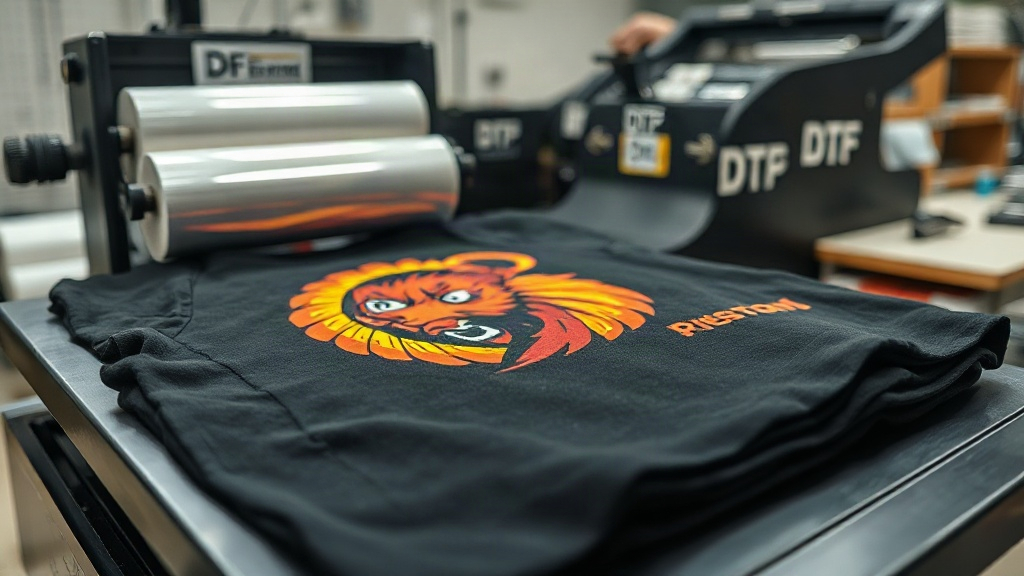
You've probably seen those incredibly vibrant, detailed designs on t-shirts, tote bags, and even denim jackets and wondered, "How do they get such crisp colors?" Enter DTF transfers. Direct-to-film printing has taken the custom apparel world by storm, and for good reason. It offers unmatched versatility, durability, and color brilliance that traditional methods often struggle to match. Whether you're a small business owner, a hobbyist, or just curious about the latest printing technology, understanding DTF transfers can open up a world of creative possibilities. In this guide, we'll walk you through everything you need to know, from the basics to pro-level tips, so you can achieve flawless results every time.
What Exactly Are DTF Transfers?
At its core, DTF transfers are a type of heat transfer that involves printing a design onto a special film, coating it with a powdered adhesive, and then using a heat press to bond it to a garment. Unlike DTG (direct-to-garment) printing, which prints directly onto the fabric, DTF transfers are printed onto a transfer film first. This extra step might seem like a hassle, but it's what gives DTF its superpowers. The process works like this: first, your design is printed onto a PET film using specialized DTF inks (usually CMYK plus white). Then, a thermoplastic polyurethane (TPU) powder is applied to the wet ink while it's still on the film. After shaking off the excess powder, the film is cured, and the design is ready to be transferred. When you're ready to apply it, you simply place the film on your garment, cover it with a protective sheet, and press it with a heat press. The heat melts the TPU powder, which bonds with the fabric fibers, while the ink layer sits on top, creating a vibrant, stretchable, and durable print.
Why DTF Transfers Are a Game-Changer
If you're wondering why everyone's talking about DTF transfers, it's because they solve several pain points that have plagued apparel decorators for years. Here are the standout benefits:
- Works on almost any fabric: Cotton, polyester, blends, nylon, leather, and even treated canvas. No need to worry about fabric content.
- No pre-treatment required: Unlike DTG, you don't need to pretreat the garment, saving time and money.
- Incredible detail and color: DTF transfers can reproduce fine lines, gradients, and photographic images with stunning accuracy.
- Stretch and durability: The prints stretch with the fabric and withstand repeated washing without cracking or fading.
- Cost-effective for small batches: You can print one-off designs or large runs without setup fees.
- Easy to store and ship: Once printed, the transfers can be stored for months and shipped to customers for at-home application.
These advantages make DTF transfers a favorite among print shops, online sellers, and DIY enthusiasts alike.
DTF vs. Other Printing Methods
To truly appreciate DTF transfers, it helps to see how they stack up against other popular techniques.
DTF vs. DTG
DTG (direct-to-garment) printing is great for 100% cotton and offers a soft feel, but it requires pre-treatment and can be finicky on dark colors. DTF, on the other hand, excels on dark garments without pre-treatment and works on a wider range of fabrics. DTF prints have a slightly thicker hand (feel) than DTG, but many find the trade-off worth it for the durability and color pop.
DTF vs. Screen Printing
Screen printing is the gold standard for large orders of the same design, offering low cost per unit and a classic feel. However, it requires separate screens for each color, which is expensive and time-consuming for multi-color designs. DTF transfers eliminate setup costs and can print full-color designs in one go, making them ideal for small to medium runs and complex artwork.
DTF vs. Vinyl (HTV)
Heat transfer vinyl (HTV) is a staple for one-color designs and names, but layering multiple colors is tedious and the vinyl can peel over time. DTF transfers allow for full-color, detailed designs in a single press, with better durability and stretch.
How to Apply DTF Transfers Like a Pro
Getting perfect results with DTF transfers isn't rocket science, but it does require attention to a few key details. Follow these steps for flawless application.
Step 1: Prepare Your Workspace
Set up your heat press on a sturdy surface. Ensure it's clean and free of any debris that could transfer onto your garment. Preheat your press to the recommended temperature, usually around 325°F to 350°F (160°C to 175°C).
Step 2: Position the Transfer
Place your garment on the lower platen, smoothing out any wrinkles. Position the DTF transfer with the printed side facing up (the design should be readable). If you're using a transfer with a white underlayer, it will be on the back side.
Step 3: Press with Precision
Cover the transfer with a protective sheet (like parchment paper or a Teflon sheet). Apply medium to firm pressure for 10-15 seconds. The exact time can vary based on your press and film, so always test with a scrap piece first.
Step 4: Peel and Enjoy
After pressing, you can either peel the film hot or cold, depending on the film's instructions. Most DTF films are cold peel, meaning you wait a few seconds for it to cool before peeling. Peel slowly at a low angle to avoid stretching the print. And voilà! You've got a professional-looking print.
Common Mistakes to Avoid with DTF Transfers
Even seasoned pros can slip up. Here are the most common pitfalls and how to dodge them.
- Insufficient pressure: If the pressure is too light, the transfer won't adhere properly, leading to peeling. Adjust your press to medium-firm pressure.
- Wrong temperature: Too hot and the film may melt or scorch; too cold and the adhesive won't activate. Always follow the film manufacturer's recommendations.
- Peeling too soon or too late: Peeling hot when you should peel cold can cause the design to lift or smear. Know your film's peel type.
- Not pre-pressing the garment: Pre-pressing removes moisture and wrinkles, ensuring a smooth application.
- Using the wrong film: Different films are designed for different fabrics and effects. Using the wrong one can lead to poor adhesion or feel.
Choosing the Right DTF Film and Supplies
Not all DTF films are created equal. The quality of your film, ink, and powder directly impacts the final result. Here's what to look for:
- Film thickness: Thinner films (like 75 microns) offer a softer hand and are great for detailed designs. Thicker films (100 microns) are more durable and easier to handle for beginners.
- Ink quality: Use high-quality DTF inks that are vibrant and compatible with your printer. Cheap inks can clog printheads and fade quickly.
- Powder: TPU powder comes in different particle sizes. Finer powder (80-200 microns) gives a smoother finish, while coarser powder is more economical for bold designs.
- Compatibility: Ensure your printer and film work together. Some films are designed for specific printer models.
Investing in good supplies pays off in fewer headaches and happier customers.
DTF Transfers for Business: Scaling Your Operation
If you're running a print shop or starting an online store, DTF transfers can be a lucrative addition. Here's how to scale efficiently:
- Batch production: Print multiple transfers in one go using roll film and a roll-to-roll printer. This saves time and reduces waste.
- Inventory management: Keep a stock of popular designs ready to press. DTF transfers have a long shelf life (up to 6 months if stored properly), so you can produce ahead.
- Drop shipping: Offer your designs as transfers that customers can apply themselves. This eliminates shipping garments and reduces costs.
- Quality control: Regularly test your transfers for wash durability and stretch. A simple wash test can prevent costly returns.
With DTF, you can take on a variety of orders without the constraints of traditional methods.
Frequently Asked Questions About DTF Transfers
How long do DTF transfers last?
With proper application and care, DTF transfers can last as long as the garment itself. They withstand 50+ washes without fading or cracking when washed inside out in cold water and tumble dried low.
Can I use DTF transfers on 100% polyester?
Absolutely! DTF transfers work great on polyester, including athletic wear and performance fabrics. The key is to use a lower temperature (around 300°F) to avoid scorching.
Do I need a special printer for DTF transfers?
Yes, you need a DTF printer that uses DTF inks and a RIP software. However, you can also buy pre-printed DTF transfers from suppliers if you don't want to invest in a printer.
What is the best way to store DTF transfers?
Store them in a cool, dry place away from direct sunlight. Keep them flat or rolled, and avoid stacking heavy objects on top. Properly stored transfers can last up to 6 months.
Can I layer DTF transfers with other prints?
Yes, you can layer DTF transfers with other DTF transfers or even with vinyl. Just press the bottom layer first, then add the top layer and press again. Ensure each layer is properly adhered before adding the next.